Introduction
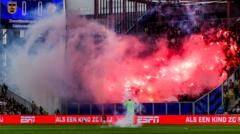
The atmosphere at football matches is often electric, with passionate supporters creating an environment that can be both exhilarating and dangerous. Recently, during an Eredivisie clash between SC Cambuur and Feyenoord, the excitement took a troubling turn. Reports indicate that several fans suffered serious injuries, including burns and damage to their hearing and eyesight, due to fireworks thrown by Feyenoord supporters. Such incidents raise serious questions about crowd control and the safety measures in place at football venues.
This alarming event not only highlights the risks associated with pyrotechnics in football culture but also the broader implications for fan behavior and club responsibility. As the sport grapples with maintaining a vibrant yet safe atmosphere, it becomes crucial to examine the circumstances surrounding this incident and its potential impact on future matches.
What happened
During the match on Sunday, a group of Feyenoord supporters reportedly launched fireworks into the crowd, resulting in injuries to fans of SC Cambuur. The club has since condemned the actions of the visiting fans, emphasizing that such behavior is unacceptable and poses a significant risk to the safety of all attendees. Eyewitness accounts describe a chaotic scene, with emergency services required to assist those injured.
The Eredivisie, known for its passionate fan culture, now faces increasing scrutiny regarding safety protocols at matches. The incident has reignited discussions about the use of fireworks in stadiums, a practice that, while celebrated by some as part of the spectacle, has led to numerous injuries in the past. This particular event serves as a stark reminder of the potential consequences when safety measures are not adequately enforced.
BetAI analysis
The use of fireworks in football matches is a contentious issue that reflects broader societal attitudes towards fan engagement and safety. In the case of SC Cambuur and Feyenoord, the actions of a minority have overshadowed the collective experience of the majority, who attend matches to support their teams in a safe environment. The Eredivisie must now consider stricter regulations regarding pyrotechnics and enhance security measures to prevent similar incidents in the future.
Additionally, the psychological impact of such events on fans cannot be understated. The fear of injury can deter supporters from attending matches, which in turn affects club revenues and the overall atmosphere of the league. Clubs and governing bodies will need to work collaboratively to address these concerns, ensuring that fan culture remains vibrant while prioritizing safety. This incident may also influence how clubs approach their security protocols, potentially leading to increased surveillance and stricter penalties for those who engage in dangerous behavior.
Conclusion
The recent fireworks incident during the Eredivisie match between SC Cambuur and Feyenoord serves as a critical reminder of the balance that must be struck between passion and safety in football. As discussions around fan behavior and stadium regulations continue, it is essential for clubs, fans, and governing bodies to collaborate in fostering an environment where excitement does not come at the expense of safety. The Eredivisie faces a pivotal moment in addressing these issues, and how they respond will set a precedent for the future of fan engagement in the league.
For more detailed coverage on this incident, visit [BBC Sport](https://www.bbc.co.uk/sport/football/articles/cr50n2d4rj0o?at_medium=RSS&at_campaign=rss).
This article references reporting by BBC Sport. Visit the publisher for the complete report and original quotes.