Introduction
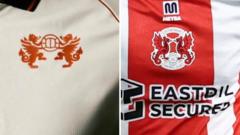
The world of football often sees rivalries extend beyond the pitch, as clubs engage in battles of identity and pride. Recently, Leyton Orient has taken a stand against Wrexham's new kit, which features a badge that they argue closely resembles their own. This incident has sparked conversations about originality, club heritage, and the implications of celebrity ownership in football. With Wrexham's high-profile owners, Ryan Reynolds and Rob McElhenney, at the helm, the situation is further complicated by the media attention surrounding the club.
The clash of badges may seem trivial at first glance, but it raises significant questions about branding in football and how clubs perceive their identities. Leyton Orient's criticism reflects a broader concern among lower-league clubs about maintaining their unique traditions in an era where commercial interests often overshadow them. This analysis will delve into the details of this controversy and explore its wider implications for both clubs involved.
What happened
Leyton Orient has publicly criticized Wrexham's decision to incorporate a badge on their new kit that they believe closely mirrors their own emblem. The situation has drawn attention not only for its aesthetic implications but also for the underlying issues of respect and originality within the football community. As Wrexham enjoys a resurgence in popularity, largely due to the celebrity status of its owners, this incident highlights the potential for overshadowing smaller clubs.
Wrexham's recent rise in the football hierarchy, marked by their promotion ambitions and increased media coverage, has placed them in a spotlight that many clubs find daunting. Leyton Orient's reaction serves as a reminder of the importance of club identity and tradition, particularly in a landscape where branding can significantly impact fan engagement and commercial success. The controversy has ignited discussions on social media, with fans weighing in on the appropriateness of Wrexham's design choices.
BetAI analysis
The criticism from Leyton Orient raises important points regarding the responsibilities of clubs, particularly those with high-profile ownership. Wrexham's celebrity owners have brought a fresh wave of attention to the club, but with that comes the expectation to uphold certain standards of respect towards fellow clubs, especially those with a rich history. The badge controversy is emblematic of the challenges faced by clubs navigating their identities in a rapidly changing football environment.
From a tactical perspective, Wrexham's branding strategy may be seen as an extension of their efforts to capture a broader audience. However, this approach can backfire if it alienates other clubs and their supporters. Leyton Orient's response could be viewed as a defensive maneuver to protect their heritage and assert their place in the football hierarchy. As clubs increasingly rely on branding and merchandise for revenue, the balance between innovation and tradition becomes critical.
Conclusion
The dispute over Wrexham's new kit design and its resemblance to Leyton Orient's badge is more than just a matter of aesthetics; it encapsulates the ongoing struggle for identity and respect in football. As clubs navigate the complexities of commercialism and tradition, it is crucial for them to consider the implications of their branding choices on their relationships with other teams. Leyton Orient’s stance serves as a reminder that preserving club heritage is vital, especially in an era dominated by celebrity influence.
Ultimately, this incident could lead to a broader dialogue about the importance of originality and respect within the football community. As the landscape of the sport continues to evolve, clubs must remain vigilant in protecting their identities while also adapting to the demands of modern football. The outcome of this controversy may set a precedent for how clubs approach branding in the future. For more details, you can read the full article on [BBC Sport](https://www.bbc.co.uk/sport/football/articles/c14dl88djrmo?at_medium=RSS&at_campaign=rss).
This article references reporting by BBC Sport. Visit the publisher for the complete report and original quotes.