Introduction
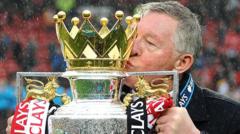
The Premier League, since its inception in 1992, has seen a plethora of managerial talent grace its touchlines. With thirteen managers having lifted the coveted trophy, the competition to be recognized among the elite is fierce. As we delve into the best managers in Premier League history, we see a blend of tactical innovation, leadership qualities, and the ability to adapt to the ever-evolving landscape of English football. This ranking not only reflects their achievements but also their impact on the game itself.
In this analysis, we will explore the criteria for ranking these managers, including their tactical philosophies, their influence on player development, and their ability to forge winning teams. The Premier League is often described as one of the most competitive leagues in the world, and the managers who have thrived in this environment are deserving of recognition for their contributions to the sport.
What happened
The BBC Sport article provides a ranking of the top ten managers in Premier League history, highlighting the achievements of those who have won the title. While the specific names in the top ten are not disclosed, it is expected that iconic figures such as Sir Alex Ferguson, Arsène Wenger, and José Mourinho will feature prominently, given their significant successes and contributions to the league.
These managers not only secured titles but also transformed their respective clubs into footballing powerhouses. Their tactical acumen and ability to inspire players have left a lasting legacy in the Premier League, influencing future generations of coaches and players alike. The discussion around their rankings often sparks debate among fans and pundits, reflecting the passion and loyalty associated with Premier League clubs.
BetAI analysis
When assessing the best managers in Premier League history, one must consider the tactical evolution that has taken place since the league's formation. Managers like Sir Alex Ferguson brought a blend of discipline and attacking flair, leading Manchester United to unparalleled success. His ability to adapt his tactics based on the opposition and to evolve with the game set a benchmark for future managers.
On the other hand, figures like Arsène Wenger revolutionized English football with a focus on technical play and fitness. His philosophy not only brought success to Arsenal but also changed the approach of other clubs in the league. The impact of these managers extends beyond mere statistics; they have shaped football culture in England, inspiring countless players and managers to adopt their philosophies.
Furthermore, the modern era has seen managers like Pep Guardiola and Jürgen Klopp introduce new tactical paradigms, emphasizing possession-based football and high pressing, respectively. Their success at Manchester City and Liverpool has not only secured titles but also raised the standard of competition within the league, making the rankings of managers even more contentious.
Conclusion
Ranking the best managers in Premier League history is a complex task that involves evaluating their tactical innovations, leadership qualities, and overall contributions to the sport. While the BBC Sport article lists the top ten, it is essential to recognize that each manager has left a unique mark on the league, influencing the way football is played in England and beyond.
As fans and analysts continue to debate these rankings, it is clear that the legacy of these managers will endure, shaping the future of the Premier League and inspiring the next generation of football leaders. The discussion around who belongs in the top ten is not just about titles won but also the philosophies and cultures they instilled in their clubs. For more insights, refer to the original article on BBC Sport [here](https://www.bbc.co.uk/sport/football/articles/cr59zj42plvo?at_medium=RSS&at_campaign=rss).
This article references reporting by BBC Sport. Visit the publisher for the complete report and original quotes.